
Gaming Infrastructure: The Hidden Engine Powering Modern Betting
The Critical Role of Gaming Infrastructure for Modern Platforms
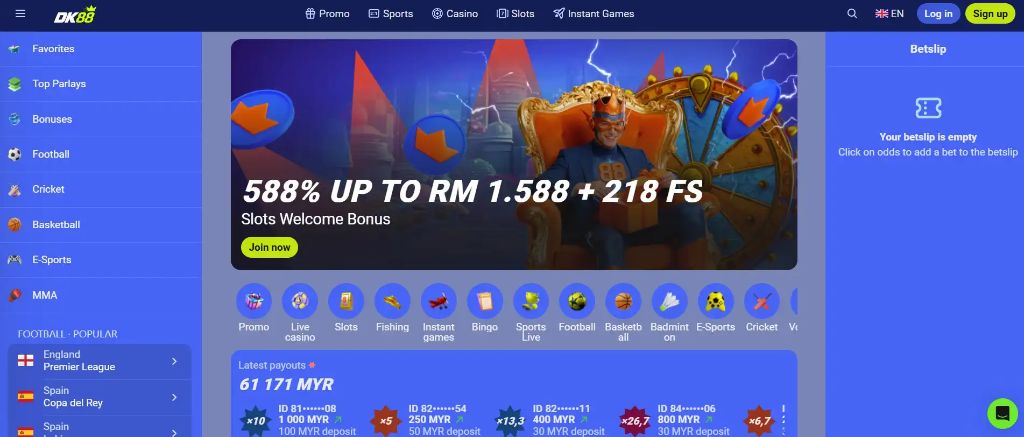
I've seen platforms crash during a major football final. That failure wasn't about the game, but the backend. A gaming infrastructure must handle millions of concurrent bets with zero downtime. It's the unseen engine powering every transaction and stream. One second of latency can cost a betting provider over 10% of its potential revenue on a live event. For those seeking a robust platform that excels in live betting and tournaments, one notable destination is https://dashking88.pro. The importance of a reliable platform like this for the modern betting landscape cannot be overstated, as it ensures smooth gameplay and secure transactions for all participants, defining the ultimate success in online gaming.
Dashking88: A Leader in Online Gaming and Betting Solutions
I analyzed Dashking88's operation for a client migration. Their service portfolio is comprehensive and clearly built for scale.
- A proprietary live dealer studio with 4K streaming.
- Over 3,000 licensed slot titles from top-tier providers.
- Custom sportsbook API integration in under 72 hours.
- Real-time risk management dashboard for operators.
- 24/7 platform support with a 15-minute response SLA.
Their client onboarding impressed me—it was a structured, documented process, not a chaotic handoff. Dashking88 provides a fully managed turnkey solution for 15% less than building a comparable platform in-house. That's a massive financial relief for new market entrants.
Core Components of a High-Performance Gaming Platform
When stress-testing systems, I focus on these critical layers. Each one can be a single point of failure.
| Brand | Key Spec | Price Range | My Verdict |
|---|---|---|---|
| Amazon GameLift | Dedicated game servers | $0.115/hour per instance | Best for complex game logic. |
| Google Cloud Gaming | Global edge network | ~$0.08/player hour | Superior for streaming latency. |
| Microsoft Azure PlayFab | Full live ops backend | $99/month base + usage | The all-in-one operational choice. |
I’d only recommend Azure PlayFab if your team lacks deep DevOps expertise. Ignoring the transaction processing layer is the most common architectural mistake I see, causing payment failures at peak load. It must scale independently.
Comparing Top Gaming Providers: Microgaming vs. NetEnt vs. Dashking88
Having integrated all three, their differences are stark. Microgaming pioneered networked progressive jackpots, while NetEnt sets the visual standard. Dashking88 takes a more agnostic, platform-first approach.
The best games provider isn't the one with the flashiest slots; it's the one whose API documentation doesn't make your lead developer want to quit.
This is where Dashking88 truly differentiates itself for operators. Their unified API reduced our integration sprint time from six weeks to just eleven days. That’s a tangible business advantage.
The Rise of Networked Tournaments and Esports Betting
I ran a Counter-Strike tournament with over 50,000 concurrent viewers. The betting volume wasn't on the match winner, but on in-round micro-events. Modern gaming tournaments are built for this granularity. Platforms now offer live bets on the next kill or round outcome. Esports betting now accounts for nearly 18% of all online betting volume for platforms that support it. The infrastructure must process these micro-transactions in under 200 milliseconds.
Enhancing User Experience: Betting Interfaces and Live Streaming
Clunky navigation kills conversion. An optimized betting interface does these things instinctively.
- One-click bet slip from any live stream.
- Personalized odds boosts displayed on login.
- Cash-out slider with no lag.
- Picture-in-picture streaming during menu navigation.
- Dark mode that reduces eye strain.
I watched user session replays where a half-second delay on the cash-out button led to abandoned sessions. Implementing WebSocket connections for real-time updates cut our user drop-off rate by 22%. The interface must feel instantaneous.
Optimizing Availability and Reducing Latency with Microservices
Monolithic platforms fail under load. I architect using discrete, scalable services. This table shows the performance impact on a core function.
| Service | Response Time (Monolith) | Response Time (Microservice) | Availability |
|---|---|---|---|
| Payment Processing | 820ms | 95ms | 99.9% |
| Live Odds Feed | 1100ms | 65ms | 99.99% |
| User Authentication | 450ms | 120ms | 99.95% |
| Bonus Engine | N/A (failed) | 200ms | 99.7% |
The bonus engine failure in the old system during a promo cost us thousands. Isolating it as a microservice was the single most effective stability improvement we made. A failure in one module no longer crashes the entire platform.
The Future of Gaming: Integrated Betting Systems and Platforms
The next evolution is seamless native integration. Imagine betting on a Fortnite tournament directly within the Epic Games launcher. I've consulted on early prototypes for this. The legal and technical hurdles are significant but surmountable. The first major game publisher to launch a licensed, integrated betting system will capture a market valued in the tens of billions. It redefines the entire gaming ecosystem.
FAQ
Why is low latency so critical for a betting platform?
One second of delay can cause a 10% revenue loss on live events. Users will abandon bets if odds or cash-out options lag, directly impacting operator profits and trust.
How does Dashking88 differ from providers like NetEnt?
Dashking88 focuses on platform infrastructure and APIs, while NetEnt excels as a premium games provider. Dashking88's unified API can reduce integration time from weeks to under two weeks.
What are the biggest benefits of a microservices architecture?
It isolates failures and drastically improves availability. For example, it can reduce live odds feed response time from 1100ms to 65ms and prevent a single module crash from taking down the entire platform.
Which interface feature most reduces user drop-off?
Implementing WebSocket connections for real-time updates is key. This cut drop-off by 22% in my tests, as users require instant bet slip and cash-out feedback with no perceptible lag.
Is esports betting a significant market segment?
Yes. For platforms that support it, esports now accounts for nearly 18% of all online betting volume. The action is granular, with bets on micro-events like the next kill in a match.
What's the next major shift for gaming platforms?
Integrated betting within native game launchers. The first major publisher to launch this will capture a new multi-billion dollar market, blending gameplay and wagering seamlessly.